



Conspicuous Consumption, Brand Culture and the New Status Symbol
DOWNLOAD SAMAJ WEEKLY | https://sociologus.com/samaj-weekly-sociology-current-affairs/

There was a time when consumption was primarily associated with satisfying needs. Food was purchased to eat, clothes to wear and a telephone to communicate.
Contemporary consumer society has complicated this relationship between need and consumption.
Today, people may purchase an expensive smartphone, order food through an app because it arrives in minutes, pay for a holiday through an EMI, use a premium credit card to access airport lounges, buy a ₹200 item because it is available through “Buy Now, Pay Later”, or purchase a branded product because it communicates a particular lifestyle.
The question, therefore, is no longer simply:
“What do we consume?”
It is increasingly:
“What does our consumption say about who we are?”
The launch of the iPhone 18 Pro in September 2026 provides only one visible example of this much larger transformation. The deeper sociological story involves status, identity, aspiration, credit, digital platforms, social comparison and the changing meaning of the consumer.
Thorstein Veblen: Consumption as Status
Thorstein Veblen
introduced the idea of conspicuous consumption in The Theory of the Leisure Class.
- People may consume certain goods partly to display wealth and social position.
- Luxury cars, premium watches, designer clothes and expensive smartphones can therefore become status signals.
- But expensive consumption is not automatically conspicuous consumption.
- A photographer may buy an expensive phone for its camera.
The sociological question is:
Does the product also function as a signal of status or identity?
Simmel: We Want to Belong and Stand Apart
Georg Simmel’s theory of fashion explains a central paradox of consumption.
- We imitate others because we want to belong.
- But we also differentiate ourselves because we want to stand out.
- This creates a cycle:
- New product , early adopters , imitation , mass adoption, loss of distinction , new product
This applies to smartphones, sneakers, cars, fashion and even cafes.
Consumer culture sells individuality through products consumed by millions.
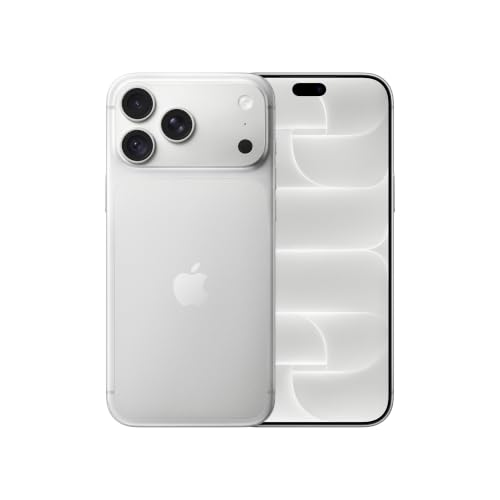
- Four gorgeous colours. One durable design — Built to last with an aluminium unibody design featuring colour-matched back…
- Immersive pro display — A 17.42 cm (6.9″) Super Retina XDR display. Brighter. Better anti-reflection. ProMotion up to 12…
- Durable Ceramic Shield. Front and back — Built to last with Ceramic Shield back — and Ceramic Shield 2 front, with 3x be…
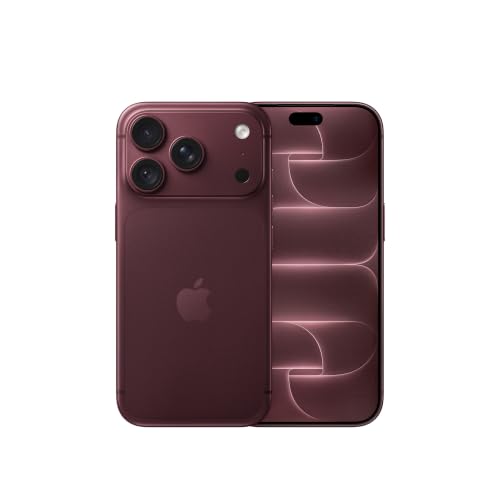
- Four gorgeous coloUrs. One durable design — Built to last with an aluminium unibody design featuring colour-matched back…
- Immersive pro display — A 15.93 cm (6.3″) Super Retina XDR display. Brighter. Better anti-reflection. ProMotion up to 12…
- Durable Ceramic Shield. Front and back — Built to last with Ceramic Shield back — and Ceramic Shield 2 front, with 3x be…
The ₹99 Psychology
The way prices are displayed matters. ₹2,999 may feel psychologically different from three installments of ₹999. The total obligation remains important, but the presentation of the price changes the way the consumer encounters it. Digital finance therefore changes not only how we pay, but potentially how we perceive the cost of consumption.
Goffman: Consumption as Performance
Consumption has also become increasingly performative. This is where Erving Goffman’s idea of the presentation of self becomes relevant. A holiday becomes an Instagram story, a restaurant becomes a photograph, a new phone becomes an unboxing video and a wedding becomes a carefully produced digital spectacle. .
Pierre Bourdieu’s cultural capital
For Pierre Bourdieu, consumption is closely connected with distinction. People possess different forms of economic, cultural, social and symbolic capital. What one eats, wears, drives or purchases can communicate social position. A premium restaurant, an expensive watch or an exclusive credit card may therefore provide more than material utility. They can communicate taste and social identity.
This is particularly visible in credit-card culture. Credit has changed the relationship between earning and consuming. Earlier, the sequence was largely earn, save and buy. Credit makes possible a different sequence: buy, enjoy and repay. The present self enjoys the product while the future self pays for it.
When Consumption Becomes a Social Problem
The expansion of consumer culture has created new opportunities and comforts, but it has also produced several social tensions. The problem is not consumption itself, rather, it emerges when consumption becomes a major source of identity, status and social recognition.
One major consequence is status anxiety. When social position is increasingly displayed through phones, cars, clothes, holidays and restaurants, individuals may constantly compare themselves with others. Social media intensifies this comparison by making other people’s consumption visible every day. What was once private inequality can become a continuously visible experience.
This connects with Merton’s reference group theory. People evaluate themselves against groups they consider important. When the reference group appears wealthier or more successful, individuals may experience a gap between “what I have” and “what people like me have.” Consumption can then become a way of trying to close that perceived gap.
Another problem is consumer debt. Credit cards, EMIs and BNPL allow people to consume before they have accumulated the necessary income. This can provide flexibility, but excessive reliance on credit can turn present consumption into future financial obligations. The sociological significance lies in the changing relationship between desire, income and time.
There is also the problem of normalisation of debt. When borrowing is presented as a routine part of checkout, the psychological distinction between purchasing and borrowing becomes weaker. A product may appear affordable because the consumer sees the monthly payment rather than the total financial commitment.
Way Ahead: From Conspicuous to Conscious Consumption
The solution is not to reject consumption, but to make it more reflexive, sustainable and socially responsible.
1. From Veblen’s conspicuous consumption to conscious consumption
Veblen explains consumption as a display of status. The way ahead is to shift status from
“what I own” to “what value I create.” Skills, creativity, social contribution and sustainability can become alternative sources of recognition.
2. Repair and reuse — challenging the “new is better” culture
Apple’s Self Service Repair programme allows consumers to access genuine parts, tools and repair manuals for supported products. This encourages a shift from replacement to repair. Sociologically, it challenges the culture of constant novelty.
3. Second-hand economy — redefining status
Platforms such as Cashify and resale markets have normalised refurbished and pre-owned products. A used smartphone can now represent value-consciousness rather than deprivation. This challenges Bourdieu’s idea of distinction based purely on new and premium possessions.
4. BNPL and financial literacy
The answer to credit-driven consumption is not eliminating credit but making its full cost visible. Consumers should clearly understand total repayment, interest and long-term obligations. This creates a more reflexive consumer, capable of separating “I want it” from “I can afford it.”
5. Simmel: From imitation to meaningful individuality
Simmel shows that fashion spreads through imitation and differentiation. The alternative is to build identity through personal choice rather than constant imitation—buying fewer products, choosing durable products and resisting every new trend.
Conclusion
Consumer society is no longer driven by need alone , it is increasingly shaped by status, identity, aspiration, credit and digital influence. From Veblen’s conspicuous consumption to Baudrillard’s sign value, sociology shows that we often consume meanings as much as products.
The way ahead is not to reject consumption, but to make it conscious and reflexive—where individuals question not only “Can I buy it?” but also “Do I need it, what does it signify, and what are its wider consequences?”
The future of consumption should not be about having more, but about consuming with greater awareness and meaning.
Thinkers at a Glance
| Thorstein Veblen | American sociologist and economist known for his critique of the leisure class and conspicuous consumption. |
| Georg Simmel | German sociologist who explained consumption through fashion, imitation and social differentiation. |
| Pierre Bourdieu | French sociologist who linked taste, consumption and social distinction with different forms of capital. |
| Erving Goffman | Canadian-American sociologist who viewed social life as a performance through which individuals present themselves to others. |
| Jean Baudrillard | French sociologist and theorist who argued that modern consumers increasingly consume signs and symbolic meanings rather than mere objects. |
UPSC CONNECT :
Q1. Explain Veblen’s concept of conspicuous consumption with suitable contemporary examples. 10 Marks | 150 Words
Q2. How does Simmel’s theory of fashion explain imitation and differentiation in consumer society? 10 Marks | 150 Words
Q3. “Modern consumption is increasingly about identity and social distinction rather than mere utility.” Discuss with reference to Bourdieu and Baudrillard. 20 Marks | 250 Words
Q4. Examine the sociological implications of credit-card culture, BNPL and social-media-driven consumption in contemporary society. 20 Marks | 250 Words
© 2026 SAMAJ | SOCIOLOGUS.COM. All Rights Reserved.
🔥 SAMAJ WEEKLY — WEEK 3 IS LIVE!
🧠 Conspicuous Consumption, Brand Culture & the New Status Symbol
Decode how brands, consumption & social status shape modern society.
📖 Read Week 3 now on Sociologus
Read SAMAJ Weekly – Week 3
For UPSC Sociology | NET | Sociology Students